
All-on-4 Success Rate: How Long Do All-on-4 Dental Implants Last?

All-on-4 dental implants are designed to provide a long-term solution for people who have lost most or all of their teeth. But how successful is All-on-4, and how long can the implants actually last? Long-term research on fixed full-arch implant restorations shows high implant survival. However, the implants and the prosthetic teeth attached to them are different parts of the treatment, and they may not have the same lifespan. What Is the Success Rate of All-on-4 Dental Implants? All-on-4 and similar fixed full-arch implant treatments have shown high long-term implant survival. A 2026 umbrella review of fixed complete-arch implant restorations found implant survival rates between 95.2% and 99.2% over 5 to 15 years. Prosthetic survival was slightly lower, ranging from 89.5% to 96.8%. These numbers should not be interpreted as a guarantee for an individual patient. Results can be affected by oral health, bone condition, smoking, hygiene, medical conditions, and long-term maintenance. How Long Do All-on-4 Dental Implants Last? Dental implants can remain functional for many years and potentially decades when they successfully integrate with the jawbone and are properly maintained. There is an important distinction, however: The dental implants and your new teeth are not the same thing. The implants are titanium fixtures placed in the jawbone. The full-arch prosthesis is the set of replacement teeth attached to those implants. The implants may remain healthy even when the prosthesis eventually needs maintenance, repair, or replacement. Do the Implants and the Prosthetic Teeth Last the Same Amount of Time? No. Dental Implants Dental implants are designed to remain in the jaw long term. Once the implants successfully integrate with the bone, good hygiene, healthy gums, and regular professional care can help protect them. Full-Arch Prosthesis Your prosthesis is exposed to chewing forces every day. Over time, it can experience normal wear, chipping, loosening, or other mechanical problems. The material also matters. PMMA, hybrid restorations, and zirconia have different characteristics and wear patterns. This is why someone can have healthy implants while eventually needing maintenance on the teeth attached to them. What Can Cause All-on-4 Dental Implants to Fail? Several factors can increase the risk of implant problems. These include: Smoking and nicotine use Poor oral hygiene Peri-implant disease Certain uncontrolled medical conditions Teeth grinding or excessive biting forces Not following post-surgery instructions Skipping professional maintenance Problems with the bone or tissue around an implant Smoking is especially important. A 2024 systematic review and meta-analysis involving more than 59,000 implants found that smoking was associated with a significantly higher risk of early dental implant failure. Can All-on-4 Fail After Several Years? Yes, but it is important to understand what has failed. An implant can develop problems with the surrounding bone or gum tissue. The prosthetic teeth can also experience wear, chipping, screw loosening, or other mechanical complications while the implants remain stable. These are different problems and may require very different solutions. An All-on-4 restoration should therefore not be considered something that can simply be placed and forgotten. How Can You Make All-on-4 Implants Last Longer? Good maintenance is one of the most important parts of protecting your investment. Patients should: Clean around and underneath the prosthesis Follow their dentist’s hygiene instructions Attend regular dental examinations Have professional cleanings Avoid smoking and nicotine Use an occlusal guard when recommended Report unusual movement, discomfort, or changes promptly Research on full-arch implant restorations suggests considering professional oral hygiene approximately every six months. The exact maintenance schedule should be adjusted to each patient’s individual needs. Does All-on-4 Require Special Cleaning? Yes. Your prosthetic teeth cannot develop cavities like natural teeth, but bacteria and plaque can still collect around the implants and underneath the prosthesis. The gums and bone supporting your implants are still living tissues and need to remain healthy. Your dental team should show you how to clean underneath your restoration and which hygiene tools are appropriate for your specific prosthesis. What Happens If One All-on-4 Implant Fails? One implant developing a problem does not automatically mean the entire restoration has failed. The dentist needs to evaluate the affected implant, surrounding bone and gums, and the stability of the other implants. Treatment depends on what caused the problem. In some situations, the implant may need to be removed and replaced. Other situations may require a different approach. This is why early evaluation is important if something does not feel right. Real All-on-4 Patient Experiences at Smile 4 Ever Mexico Clinical studies tell us how implants perform across large groups of patients. Patient experiences show another side of the treatment: what going through the process can actually mean to the person receiving the new smile. Simone’s All-on-4 Experience Simone underwent All-on-4 treatment at Smile 4 Ever Mexico. After completing her treatment, she described her experience as “20 out of 10.” Her testimonial focuses not only on her new smile, but also on the support she received throughout the process. Her before-and-after transformation and patient story are available in our real patient reviews. Read Simone’s Dental Implant Journey. Does Smile 4 Ever Mexico Offer a Warranty on All-on-4 Implants? Smile 4 Ever Mexico offers a lifetime warranty on the implant fixture, subject to the requirements and conditions of our implant warranty program. The implant fixture should not be confused with the prosthetic teeth attached to it. Prosthetic components and restorations experience normal wear and have different warranty conditions. Patients must also follow the required maintenance protocol, including professional hygiene, periodic evaluations, and use of an occlusal guard when indicated. Learn more about our Dental Implant Warranty. So, How Long Can My All-on-4 Last? There is no exact number of years that a dentist can guarantee for every patient. Research shows that fixed full-arch implant treatment can have high long-term implant survival, but longevity depends on the individual patient. Your oral health, hygiene, smoking habits, medical health, biting forces, and professional maintenance all matter. And remember: your implants may last longer than the prosthetic teeth attached to them. If you are considering All-on-4, the first
Is It Worth Going to Tijuana for Dental Work? A Complete 2026 Guide for U.S. and Canadian Patients
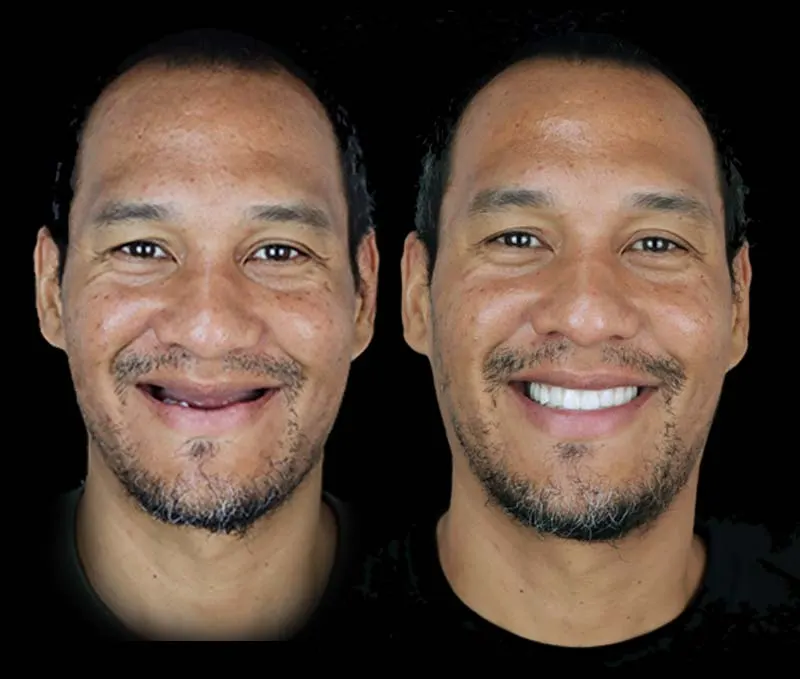
For many U.S. and Canadian patients, going to Tijuana for dental work can be worth it, particularly when they need expensive treatments such as dental implants, All-on-4, crowns, veneers, or full-mouth reconstruction. The biggest advantage is cost, but price shouldn’t be the only reason to choose a dentist in Mexico. The quality of the clinic, dentist’s experience, materials used, treatment planning, follow-up care, and ability to return if needed are equally important. Tijuana has another advantage over many international dental tourism destinations: proximity to the United States. Patients can fly domestically to San Diego, cross the U.S.-Mexico border, and reach many Tijuana dental clinics without taking an international flight. So, is Tijuana the right choice for everyone? Not necessarily. Here’s what you should consider before deciding. Why Do Americans Go to Tijuana for Dental Work? The primary reason is straightforward: dental treatment in the United States can become extremely expensive, particularly when a patient needs multiple implants, extensive restorative dentistry, or full-mouth treatment. Tijuana gives patients another option. Because the city is located directly across the border from San Diego, patients can access dental care in Mexico while remaining relatively close to the United States. This is particularly useful for treatments that require more than one visit. Common treatments patients travel to Tijuana for include: Dental implants All-on-4 and All-on-X Dental crowns and bridges Porcelain veneers Full-mouth reconstruction Root canal treatment Dentures and implant-supported dentures For larger treatment plans, the difference in total cost can make treatment possible for patients who otherwise might postpone dental care. How Much Can You Save on Dental Work in Tijuana? Dental treatment in Tijuana is generally less expensive than comparable treatment in the United States, but the actual savings depend heavily on the procedure. The difference becomes most significant with complex treatment. A patient needing one filling, for example, may not save enough to justify traveling. Someone needing several implants, a full arch of crowns, veneers, or full-mouth implant rehabilitation may see a much larger difference. When comparing prices, don’t look only at the advertised starting price. Ask exactly what the treatment includes. For implant treatment, that can mean asking whether the quoted price includes: Implant Abutment Final crown or prosthesis Bone grafting Extractions Temporary teeth CBCT imaging Sedation Final restoration Two clinics can advertise very different prices because they are not necessarily quoting the same treatment. Does Lower Cost Mean Lower-Quality Dentistry? Not necessarily. The price of dentistry is influenced by far more than the cost of the dental materials themselves. Operating costs, salaries, insurance, laboratory expenses, property costs, and the healthcare system all contribute to what patients ultimately pay. However, patients should also avoid assuming that every dentist in Tijuana provides the same level of care simply because treatment is performed in Mexico. There are excellent clinics and dentists, average clinics, and clinics that compete primarily on price. The better question is not: “Is dentistry in Tijuana good?” It is: “How do I identify a good dentist and dental clinic in Tijuana?” How Do You Choose a Good Dentist in Tijuana? Before committing to treatment, look beyond reviews and advertised prices. Ask who will actually perform your procedure and whether that dentist routinely performs the type of treatment you need. For complex implant or restorative cases, consider asking about: The dentist’s experience with your specific procedure Diagnostic imaging and treatment planning Implant systems and restorative materials Who manufactures the final restoration How temporary restorations are handled What happens if the treatment plan changes Follow-up requirements Warranty conditions Maintenance after treatment What happens if you experience a problem after returning home A reputable clinic should be willing to explain these things before you make a major financial commitment. Should You Be Cautious About High-Pressure Dental Sales Tactics? Choosing dental treatment should be a clinical decision, not a rushed sales decision. Be cautious if you are pressured to make a large payment before you understand your diagnosis, treatment options, expected timeline, materials, and what is included in the proposed cost. For complex treatment, an initial estimate may help with planning, but the final treatment plan should be based on an appropriate clinical evaluation and diagnostic information. Patients should also feel comfortable asking why a procedure is being recommended and whether reasonable alternatives exist. A good consultation should help you understand your options and make an informed decision rather than simply persuade you to choose the most expensive treatment. What Technology Should You Look for? Technology alone doesn’t make a dentist good, but appropriate diagnostic tools can improve treatment planning and communication. Depending on the procedure, modern dental clinics may use: 3D CBCT imaging Intraoral scanning Digital implant planning Digital smile design Computer-guided implant technology CAD/CAM restorative dentistry At Smile 4 Ever Mexico, implant and restorative cases can incorporate digital imaging, 3D planning, and intraoral scanning depending on the treatment. The objective isn’t simply to have impressive equipment. The technology should help the dental team diagnose, plan, communicate, and execute treatment more predictably. Is Dental Work in Tijuana Safe? Dental treatment is a medical procedure regardless of whether it is performed in the United States, Canada, or Mexico. Instead of assuming that a clinic is safe based on its location, patients should evaluate the individual facility and dental team. Ask about sterilization procedures, medical history screening, diagnostic protocols, medications, surgical planning, and what happens if a complication occurs. This becomes especially important for dental implants, bone grafting, sinus procedures, extensive extractions, sedation, and full-mouth rehabilitation. Patients should also provide their dentist with an accurate medical history, including medications and existing health conditions. Safety is a shared responsibility between the dental team and the patient. Do Dentists in Tijuana Speak English? Many dental clinics that regularly treat international patients have English-speaking dentists and staff. However, patients shouldn’t assume this. For complex treatment, communication matters. You should be able to understand: Your diagnosis Available treatment options Risks and limitations Treatment timeline Total estimated cost What happens during recovery Maintenance requirements Warranty conditions At Smile