
Home » Treatments » Dental Bridge in Tijuana
Dental Bridges in Tijuana
Dental bridges replace one or more missing teeth by creating a fixed restoration supported by natural teeth or dental implants. At Smile 4 Ever Mexico, each bridge is planned around your bite, available support, and the number and location of missing teeth.
Home » Treatments » Dental Bridge in Tijuana
Traditional & Implant-Supported Dental Bridges
The right type of bridge depends on the condition of the surrounding teeth, available bone, bite forces, and the location of the missing teeth.
Traditional Dental Bridges
A traditional bridge uses crowns on neighboring teeth to support one or more replacement teeth between them. It can be an effective option when the supporting teeth are suitable for restoration.
Implant-Supported Bridges
An implant-supported bridge uses dental implants for support instead of relying entirely on neighboring natural teeth. This option can replace multiple missing teeth without requiring an individual implant for every tooth.
How Much Does a Dental Bridge Cost in Tijuana?
The cost of a dental bridge depends on the number of units, the material used, and whether the bridge is supported by natural teeth or dental implants. At Smile 4 Ever Mexico, bridge pricing is calculated according to the specific design of your restoration.
Traditional Dental Bridge Cost
Traditional bridges are calculated by the number of units. For example, a 3-unit E.max® bridge at $499 per unit would total $1,497.
| Example | Calculation | Total |
|---|---|---|
| 3-Unit E.max® Bridge | $499 × 3 | $1,497 |
Implant-Supported Bridge Cost
Implant-supported bridges require additional restorative components. The bridge is fabricated in zirconia, and an abutment is added for each implant supporting the restoration. For example:
| Restorative Component | Calculation | Total |
|---|---|---|
| 3 Zirconia Bridge Units | $550 × 3 | $1,650 |
| 2 Implant Abutments | $450 × 2 | $900 |
| Restorative Total | $2,550 |
Important: The $2,550 example represents the restorative component only and assumes the supporting dental implants are already in place. If new implants are required, implant placement, surgery, and any additional procedures are calculated separately.
Every bridge is different. Your treatment plan will identify the number of units, supporting teeth or implants, restorative materials, and any additional components required for your case.
Final dental bridges fabricated by or for the lab may be protected against manufacturing defects. Review our dental warranty for coverage details, maintenance requirements, and patient responsibilities.
The Benefits of Dental Bridges
Replace Missing Teeth With a Fixed Restoration
A dental bridge fills the space created by missing teeth with a restoration that remains fixed in place during normal use.
Restore Chewing & Bite Function
Replacing missing teeth can improve chewing function and help distribute biting forces more evenly across the mouth.
Traditional & Implant-Supported Options
Depending on your dental condition, a bridge can be supported by natural teeth, dental implants, or a combination determined during treatment planning.
Dental Bridge or Dental Implant: Which Is Right for You?
Both treatments can replace missing teeth, but they use different types of support. A traditional bridge relies on neighboring teeth, while a dental implant replaces a missing tooth using an implant placed in the jawbone. Implant-supported bridges can also be used when several teeth are missing.
The best option depends on the number of missing teeth, the condition of neighboring teeth, available bone, bite, treatment time, and your individual goals.


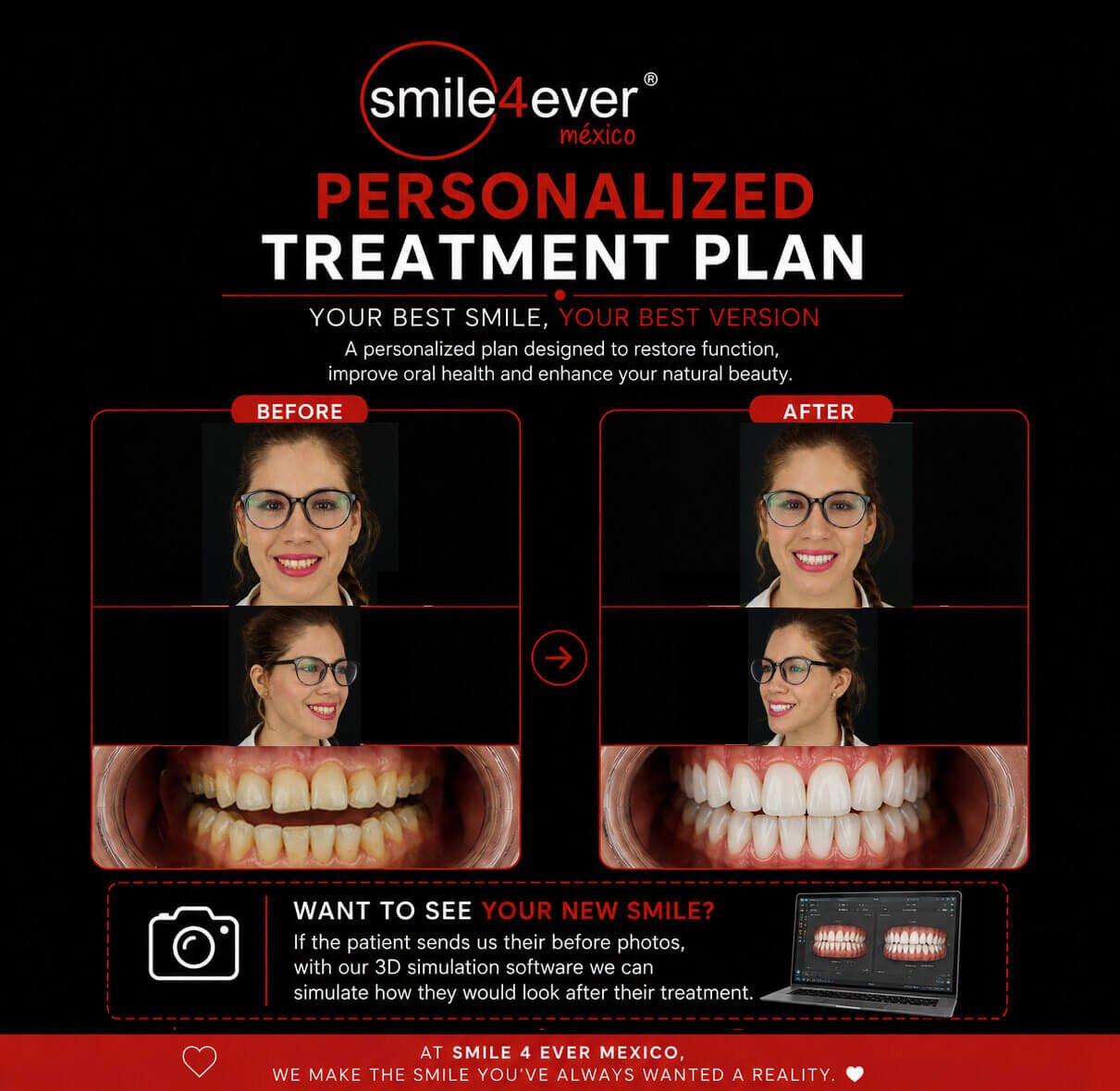
Dental Bridge Patient Result
This patient’s treatment focused on replacing missing teeth and restoring a more complete, functional smile. The final restoration was planned to complement the surrounding teeth while improving overall smile balance
A Convenient Dental Trip to Tijuana
Traveling to Tijuana for dental bridge treatment can be simpler than many patients expect. Patients from across the United States can fly domestically to San Diego International Airport, then continue to our clinic in Tijuana, approximately 25 minutes away.
For eligible patients, our team can help coordinate transportation and participating hotel options, making it easier to plan your dental treatment and travel together.
San Diego Airport Access
Fly domestically to San Diego and continue across the border to our clinic in Tijuana.
Transportation Assistance
Eligible patients can receive transportation coordination based on their treatment and travel schedule.
Partner Hotels
Ask our team about participating hotels located conveniently near the clinic.
Meet the Dental Team Behind Your Bridge Treatment

Dr. Alejandro Gonzalez
Oral Surgeon Specialist: Centro Mexicano de Especialidades ,Profesional License (Cédula Profesional): 10257077 Provides surgical and implant care when dental implants are required to support an implant-supported bridge.

Dr. Nancy Ponce
Dental Surgeon: Universidad UABC, Professional License (Cédula Profesional): 13770742 Focuses on restorative planning and functional, natural-looking dental restorations, including complex bridge cases.

Dr. Evelyn Paez
Dental Surgeon: Universidad UABC, Professional License (Cédula Profesional): 13304195 Provides general and restorative dental care with attention to function, esthetics, and long-term oral health.

Dr. Andrea Gutierrez
Dental Surgeon: Universidad UABC, Professional License (Cédula Profesional): 10404981 Combines restorative and cosmetic dentistry to rebuild damaged or incomplete smiles with individualized treatment planning.
Real Reviews, Real Patient Experiences
Read experiences from patients who traveled to Smile 4 Ever Mexico for restorative and other dental treatments in Tijuana.
Digital Planning for Dental Bridges
Digital scanning helps our team evaluate the space created by missing teeth and plan how a bridge will relate to the surrounding teeth and bite. This information supports more precise restorative design and communication throughout treatment.
What Digital Planning Helps Us Evaluate
- Available space for replacement teeth
- Supporting teeth or implants
- Bite and tooth contacts
- Bridge shape and proportions
Find Out Which Tooth Replacement Option Is Right for You
Whether you’re missing teeth, unhappy with your smile, or simply ready for a change, you don’t have to figure everything out on your own. Tell us what you would like to improve, send us your photos or X-rays, and our team will help you understand your treatment options.
Your first virtual consultation is FREE, and there’s no obligation to begin treatment.

Dental Bridge Frequently Asked Questions
How Many Missing Teeth Can a Dental Bridge Replace?
At Smile 4 Ever Mexico, traditional tooth-supported bridges are limited to three units: two supporting teeth and one replacement tooth (pontic). When multiple adjacent teeth are missing, other options, such as implant-supported restorations, may be considered depending on the available bone, bite, and overall treatment plan.
Dental Bridge or Implant: Which Is Better?
Neither option is best for every patient. A traditional bridge uses neighboring teeth for support, while an implant replaces a missing tooth without relying on adjacent teeth. The right choice depends on your dental condition, available bone, treatment goals, and overall prognosis.
How Long Does a Dental Bridge Last?
The longevity of a dental bridge depends on the supporting teeth or implants, bite forces, oral hygiene, material, and regular dental maintenance.
Does Getting a Dental Bridge Hurt?
Local anesthesia is used when teeth need to be prepared for a traditional bridge. Some temporary sensitivity or discomfort can occur after treatment and varies from patient to patient.
Can a Dental Bridge Be Supported by Implants?
Yes. Dental implants can support a fixed bridge when multiple teeth are missing, reducing the need to rely entirely on neighboring natural teeth.
Do the Teeth Next to the Gap Need to Be Filed Down?
For a traditional bridge, the supporting teeth are prepared to receive crowns that hold the replacement tooth or teeth. An implant-supported bridge uses implants for support instead of relying entirely on neighboring teeth.
How Do I Clean Under a Dental Bridge?
Cleaning beneath and around a bridge is important for maintaining the supporting teeth or implants. Your dental team can show you how to use floss threaders, interdental brushes, or other hygiene tools appropriate for your restoration.